Tubbataha Reef Park: Divers Paradise for Coral Lovers
/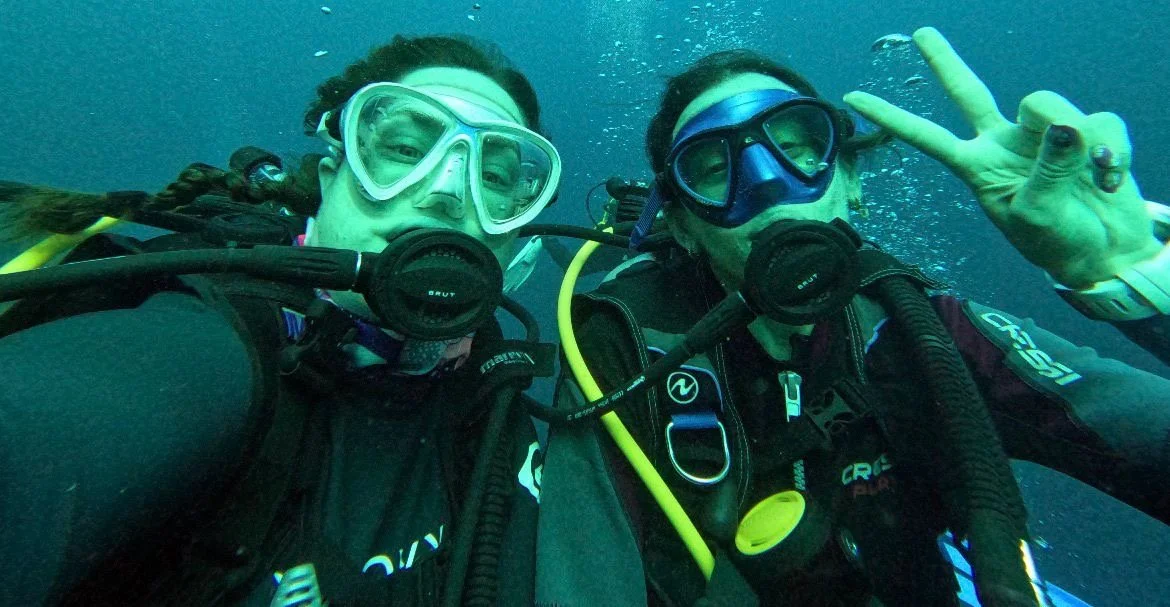
I don’t know if I ever told you, but once a year, my girlfriends and I disappear. No agenda, no compromises, just a place that ticks all our boxes: culture, nature, good food, great company. Over the years we've made it through Mexico, Panama, Thailand, Philippines, Egypt and Turkey. Not bad for a group of girls who just really love a good trip.
This year however, life had other plans. One by one, Easter commitments piled up and the group trip quietly fell apart. I was gutted, but then I got myself thinking: when was the last time I went somewhere entirely on my own terms?
The answer came quickly. I wanted to dive, and I wanted to go back to where it all began: The Philippines.
My first ever experience diving was in Apo Reef in the Philippines. Little did we know when my girlfriends and I were putting on our dive gear for the first time, that we were about to dive in one of the top diving spots of the world. That was going to set high expectations for the rest of our diving adventures. I went down under, and what I saw was incredible, yet I came up so full of fear of what may happen that I almost never dived again.
Thankfully my partner is a much risk taker than I am, and through a few more tries, it has now become a much needed part of my life. Being underwater makes me feel so alive, so calm, and so happy. I sometimes wish I could be there more often! And so when the opportunity arise to go back to where it all started I didn’t think it twice. I was going back to Philippines, and this time to the real gem of the country: Tubbataha National Reef Park. One of the most remote and protected reefs on the planet, nestled in the middle of the Philippine Sea. A place most people have never heard of, and even fewer have seen.
Buckle up, this is my story.
What is Tubbataha?
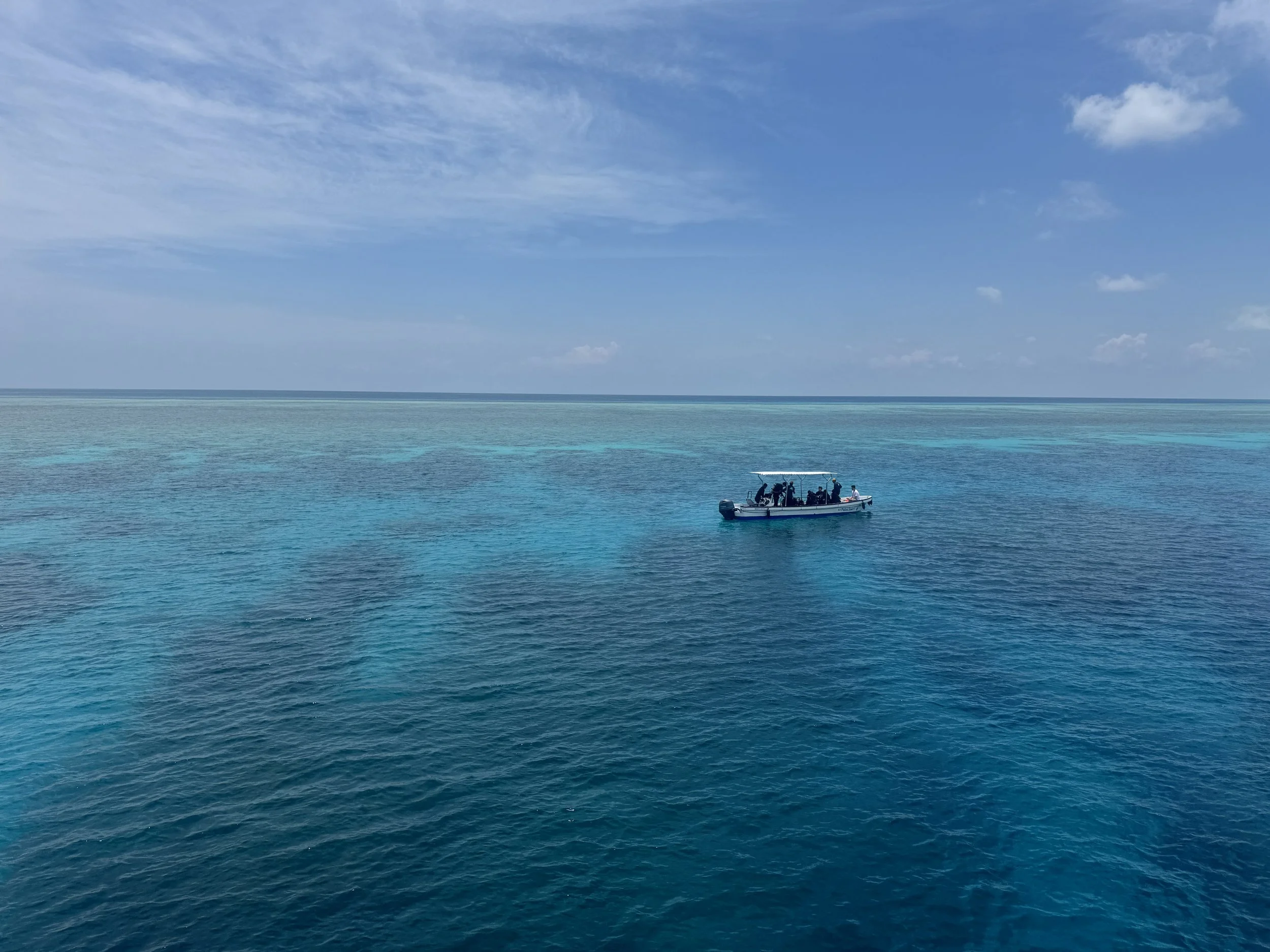
Nestled in the middle of the Sulu Sea, Tubbataha hosts around 75% of all the coral in the world. It is a protected marine park and a national treasure. You can only access it by liveaboard — a diving boat where you stay for the entire trip — during a limited window of mid-March to mid-June. Spaces are scarce, so if this is on your list, start planning early.
Getting there
Flying into Puerto Princesa is easy from Manila, with several airlines to choose from. One important thing to factor in: you will need an extra day in Puerto Princesa after returning to land (you must not fly for 24hrs after your last dive) so don't plan a tight connection. Build it into your itinerary and treat it as part of the adventure. I did, and it was fabulous. I ended up having a fantastic beach day in Honda Bay, island hopping and soaking up the sunshine at Cowrie Island, followed by a delicious meal in town (try Kalui for seafood, you won't regret it) and a massage at one of their 24/7 parlours. Dreamcare Wellness did the job beautifully.
Choosing your liveaboard
Let me tell you, choosing a liveaboard is not easy! This was my first time and I was unsure of what to look for: luxurious? Mid-range? Cheap and cheerful? You don't want to go too low at the expense of your safety, but also not so high that the vibe doesn't feel right.
As a female solo traveller I wanted privacy but also the opportunity to connect with likeminded people. Liveaboard.com is a great starting point and their customer service is excellent. After a few enquiries I landed on the MV Dolphin. I was a little nervous because the reviews were mixed, but the boat had been recently refurbished (and changed of owners), and I loved the idea of small dive groups no more than 6 divers per instructor and a maximum of 18 guests on board.
On budget: expect to pay around £2,000 for a solid mid-range experience, which is what I did and I have zero regrets. You can go up to £5,000 for top-end luxury, or find options around £1,500, though I'd be cautious about quality at that price point. For a trip this remote and this special, mid-range is the sweet spot.
Do you have the experience for this?
Tubbataha is not intimidating, but it does ask something of you. I'd recommend having at least 40-50 dives under your belt before going. Advanced Open Water certification is ideal, as you'll want to be comfortable diving to 30 metres and handling drift dives and changing currents out in open sea. No night dives are involved. They're not permitted in the park and the currents can shift too much, so that's one less thing to worry about.
If you're a nervous diver who nearly gave it all up after your first experience (hello, that was me), you can absolutely do this. Just make sure you've put in some practice before hand and you can have fun with it too. The sea will surprise you in the best possible way.
What to pack — and what I'd do differently
A few things I learned the hard way so you don't have to:
I always get cold underwater, and water temperatures here sit around 29 degrees at the surface — lovely — but drop 4-5 degrees as soon as you hit 20 metres, especially with the currents. Bring a 5mm full wetsuit. Operators typically only carry shorties, so I had to specifically request mine. Don't leave it to chance.
A dive skin suit is also worth packing. Easy to fold, adds an extra layer of warmth, and takes up almost no space in your bag.
And my most unexpected recommendation: a selfie stick. I'm always nervous about accidentally touching coral and Tubbataha has so much of it absolutely everywhere. A selfie stick lets you get close to your favourite fish and formations without the anxiety. Game changer.
What it looks like down there
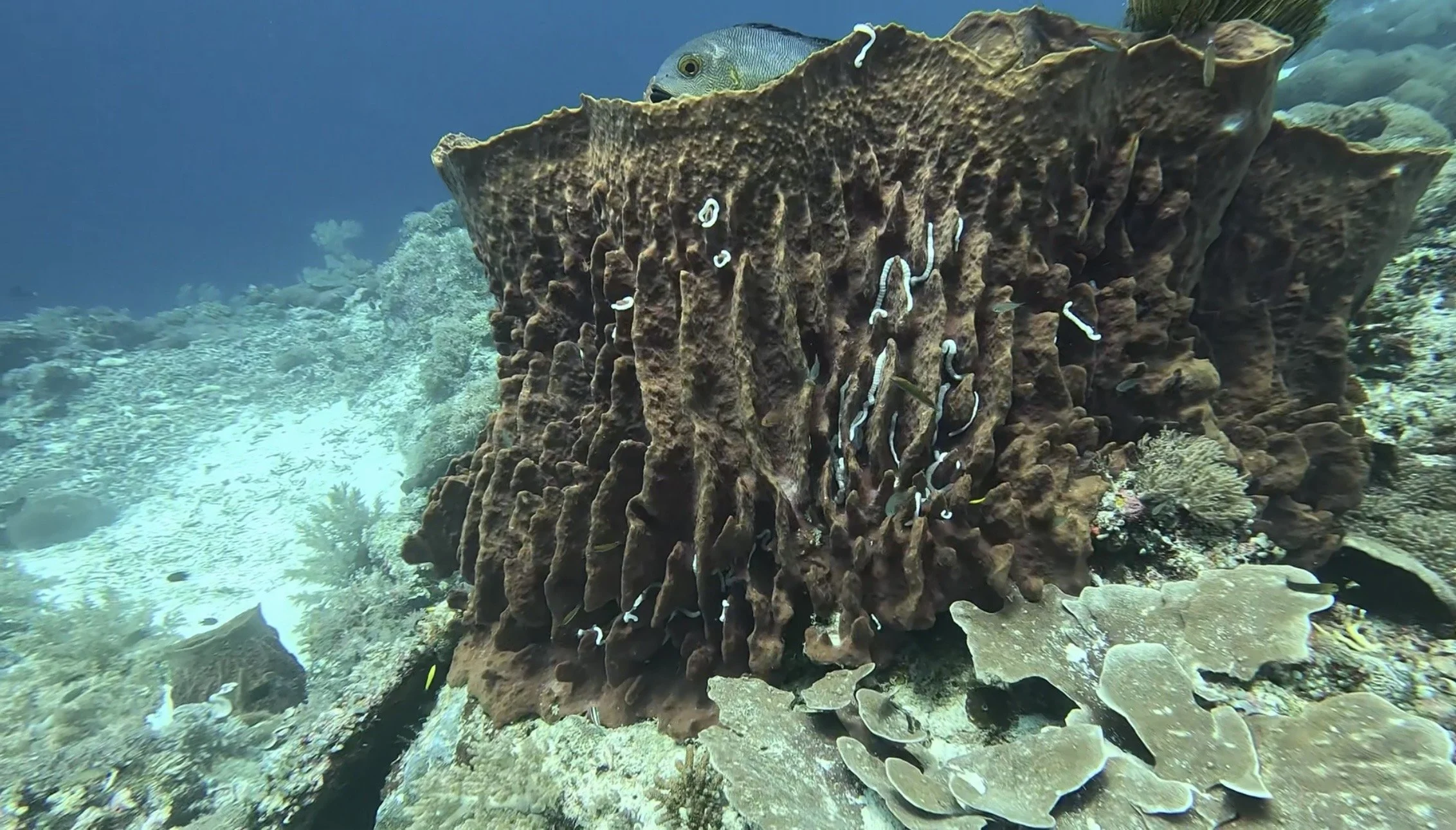
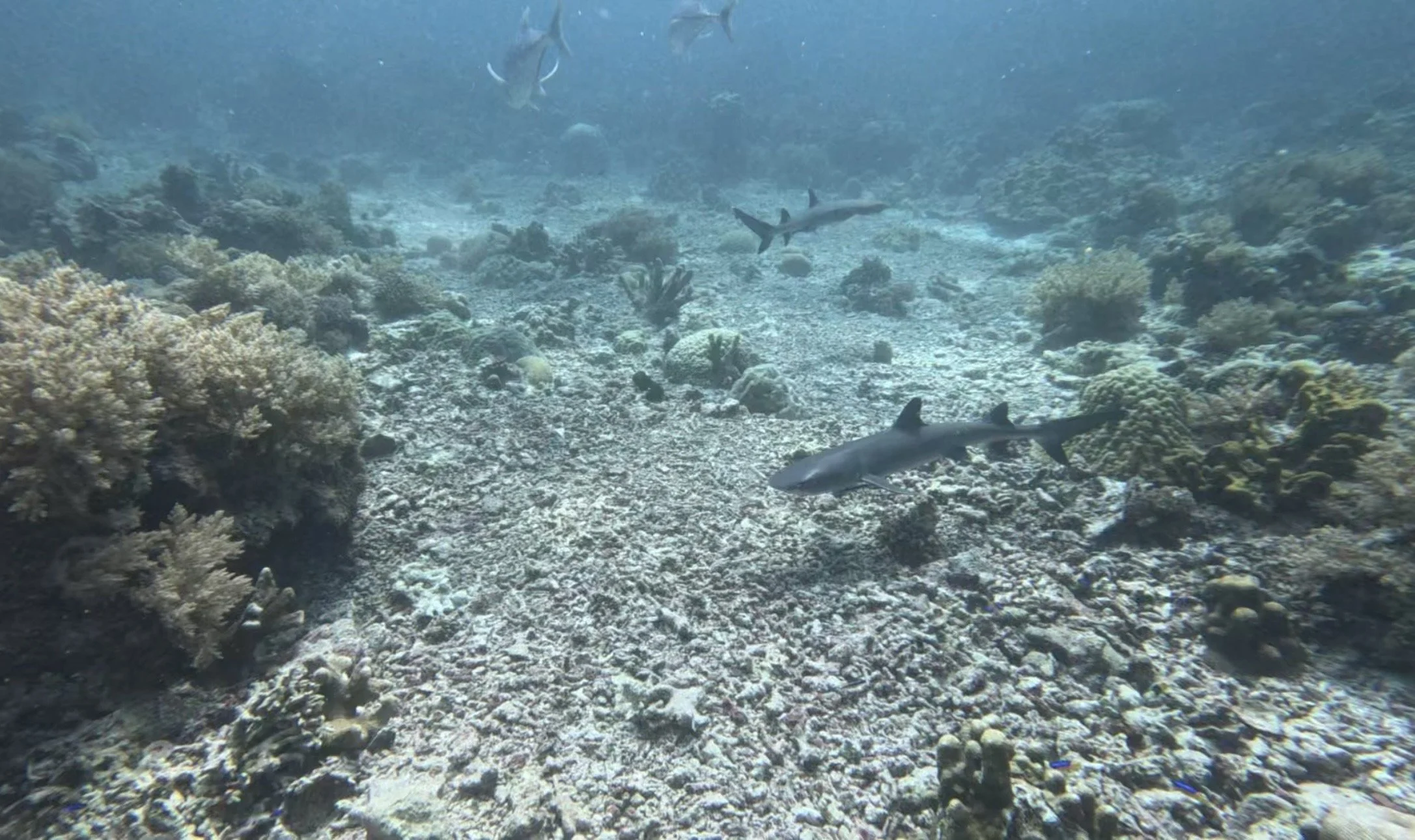
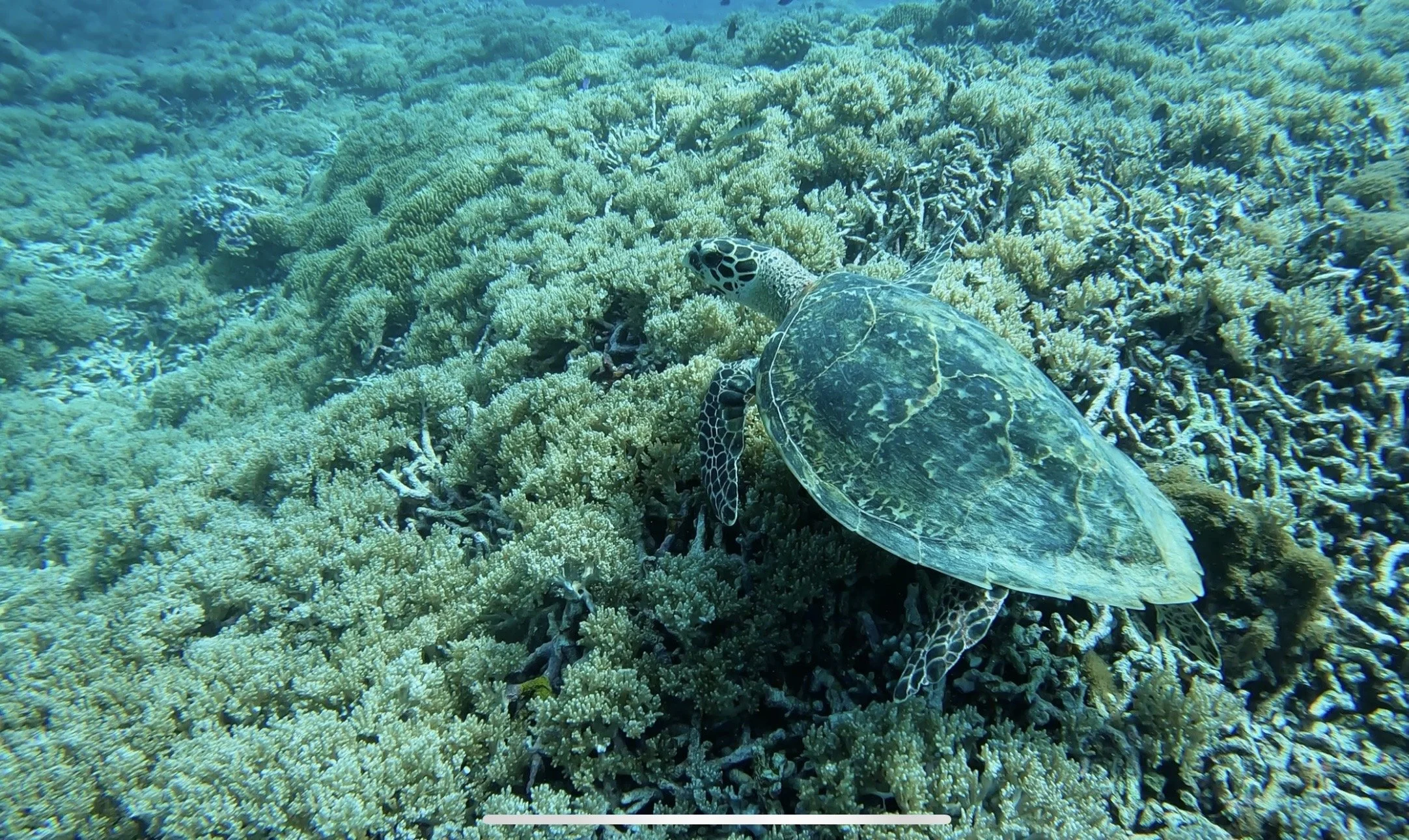
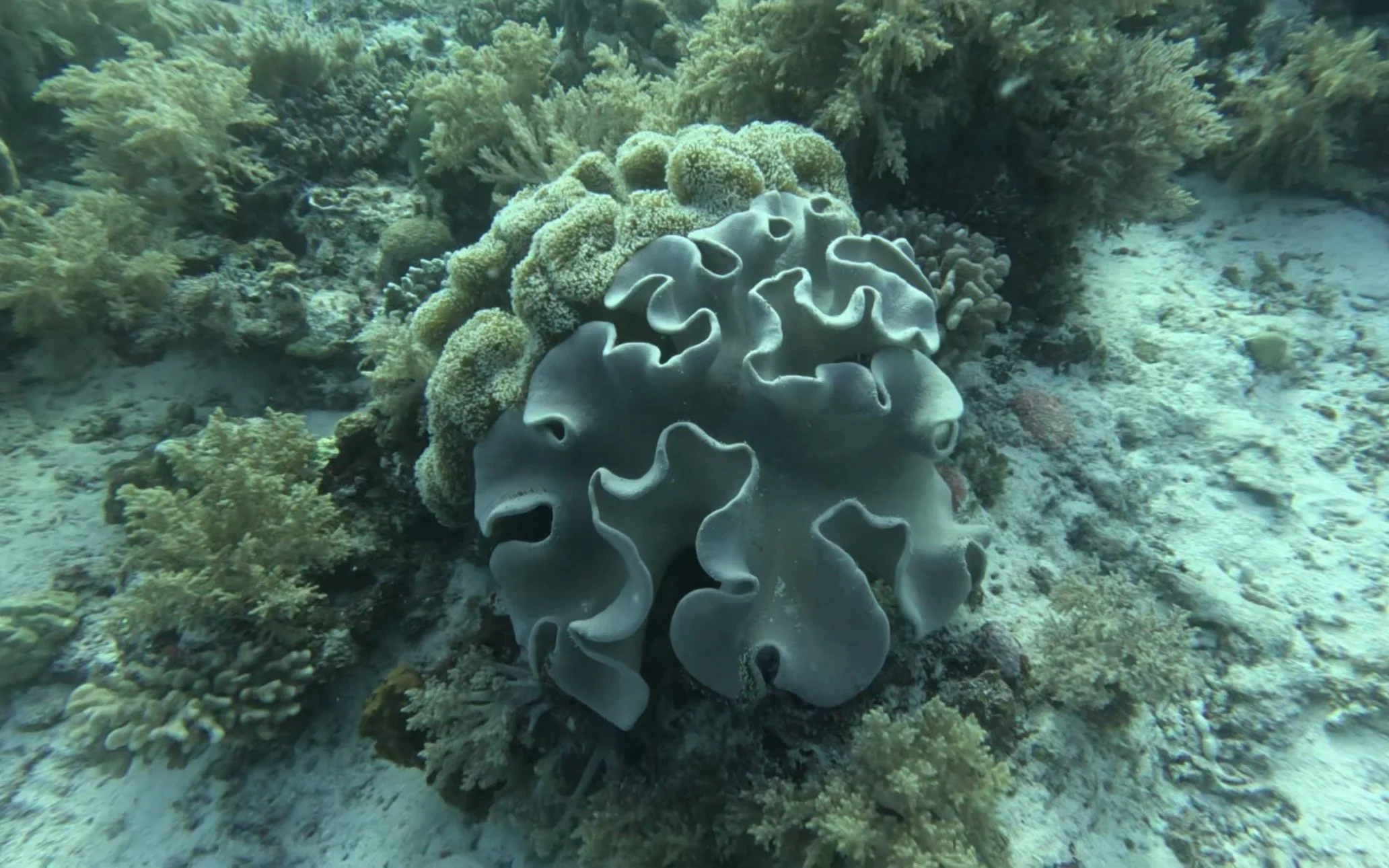
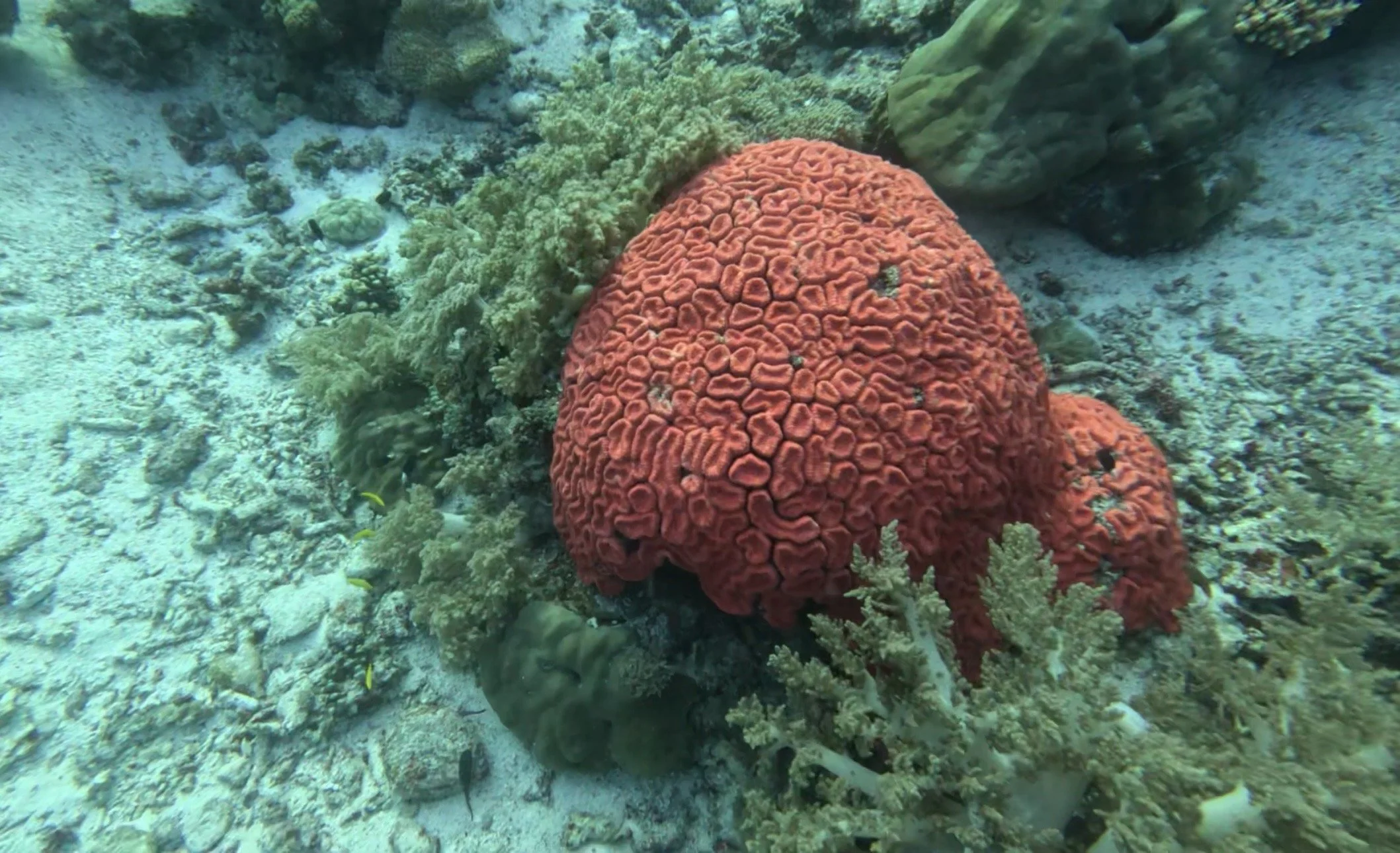
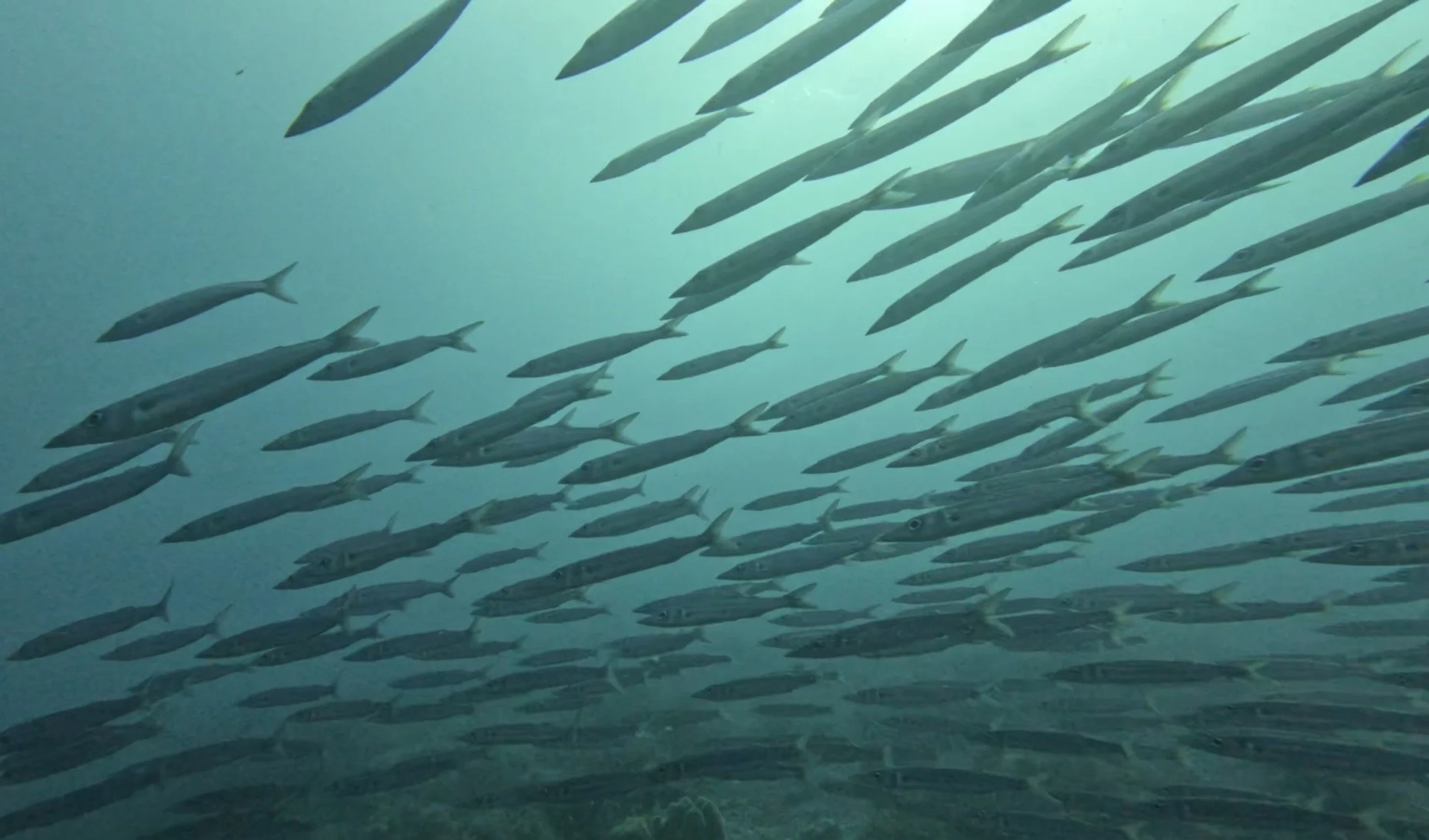
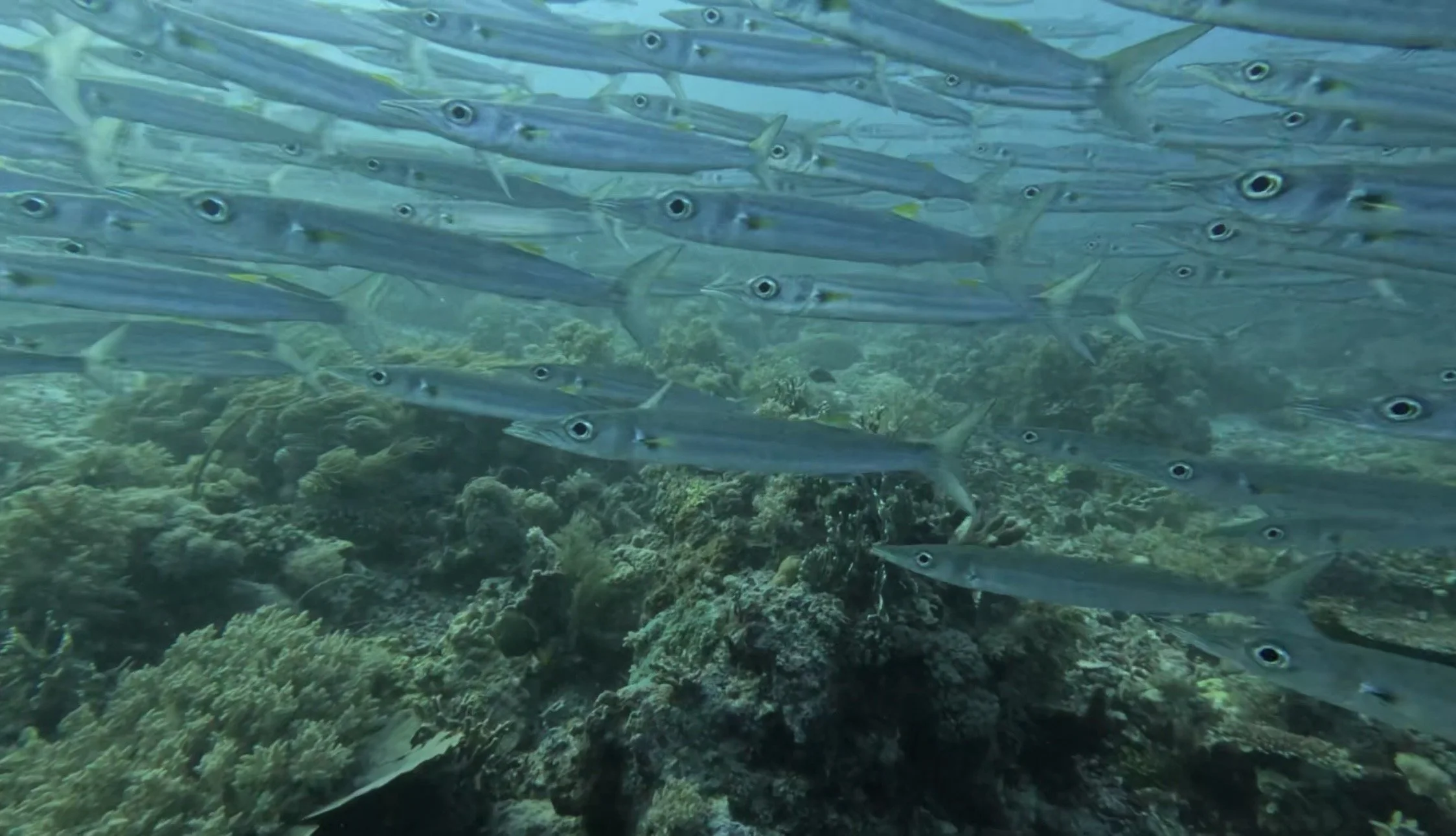
Imagine a coral paradise, and then add some more. There is even moss down there, which I had never seen before. The sheer density and health of the reef is lovely, but it is the quantity and diverse variety that makes it truly special. Egypt has incredible visibility and corals, and so does Palau — but Tubbataha has a richness and abundance that feels entirely its own.
Visibility varied across dives. Go deep and it can get murky. But at 15 metres and above, on a sunny day, it is a full show in front of your eyes: yellow, red, purple, green, every colour you can think of, just alive and moving. Healthy coral as far as you can see, and life absolutely everywhere.
Each dive site is unique, although you will dive twice in the same spot, with two sites a day, which actually works in your favour. Seeing the same spot at different times of day, in different light and current, can be a different experience each time.
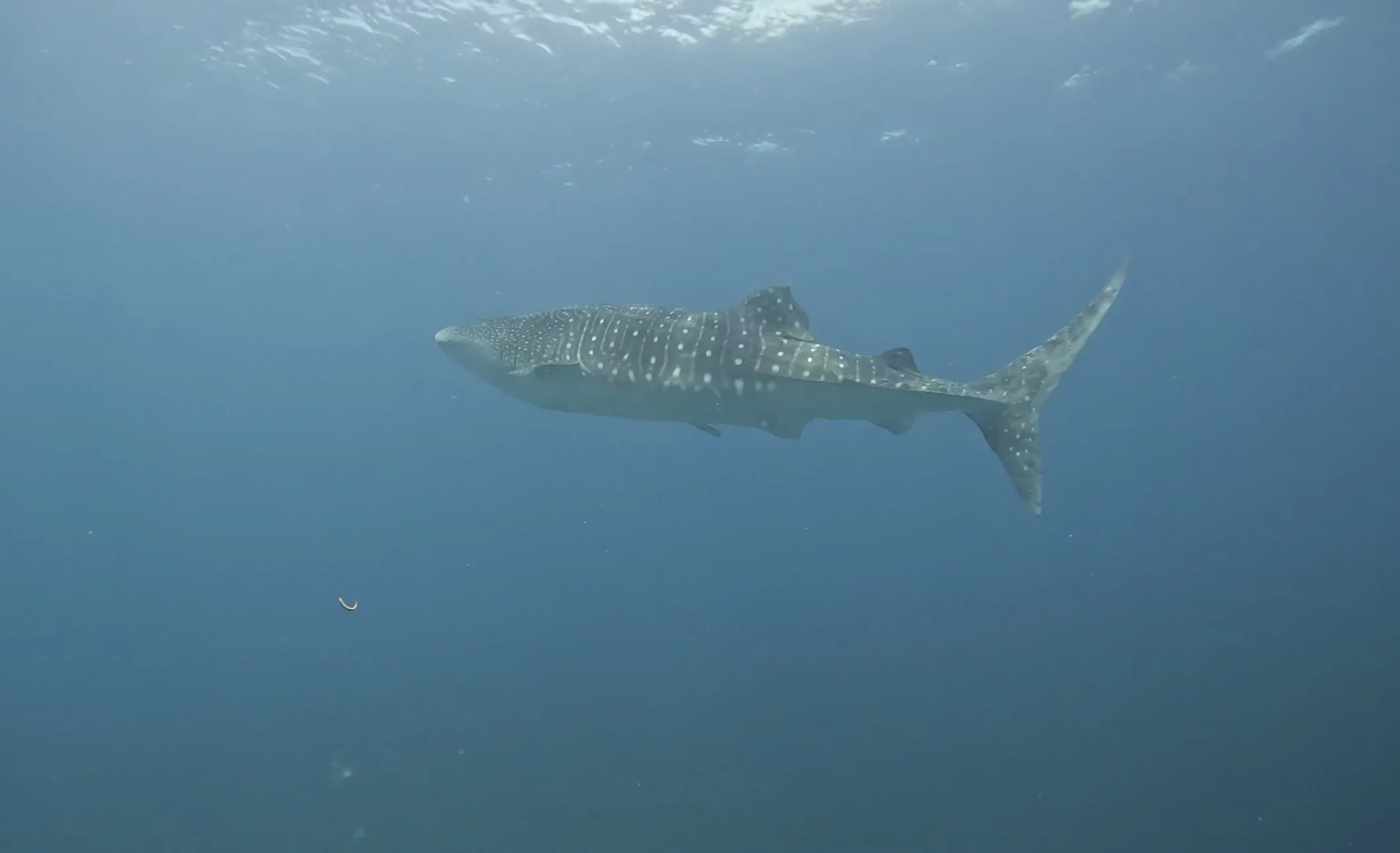
We saw baby sharks and nurse sharks throughout the trip. But the real magic? Whale sharks on two of our dives — the last one on our very last dive, as if saying goodbye. Cherry on top doesn't quite cover it. A family of dolphins above the surface, barracudas, triggerfish, trevally, enormous tunas. It was relentless in the best possible way.
My honest review of the MV Dolphin
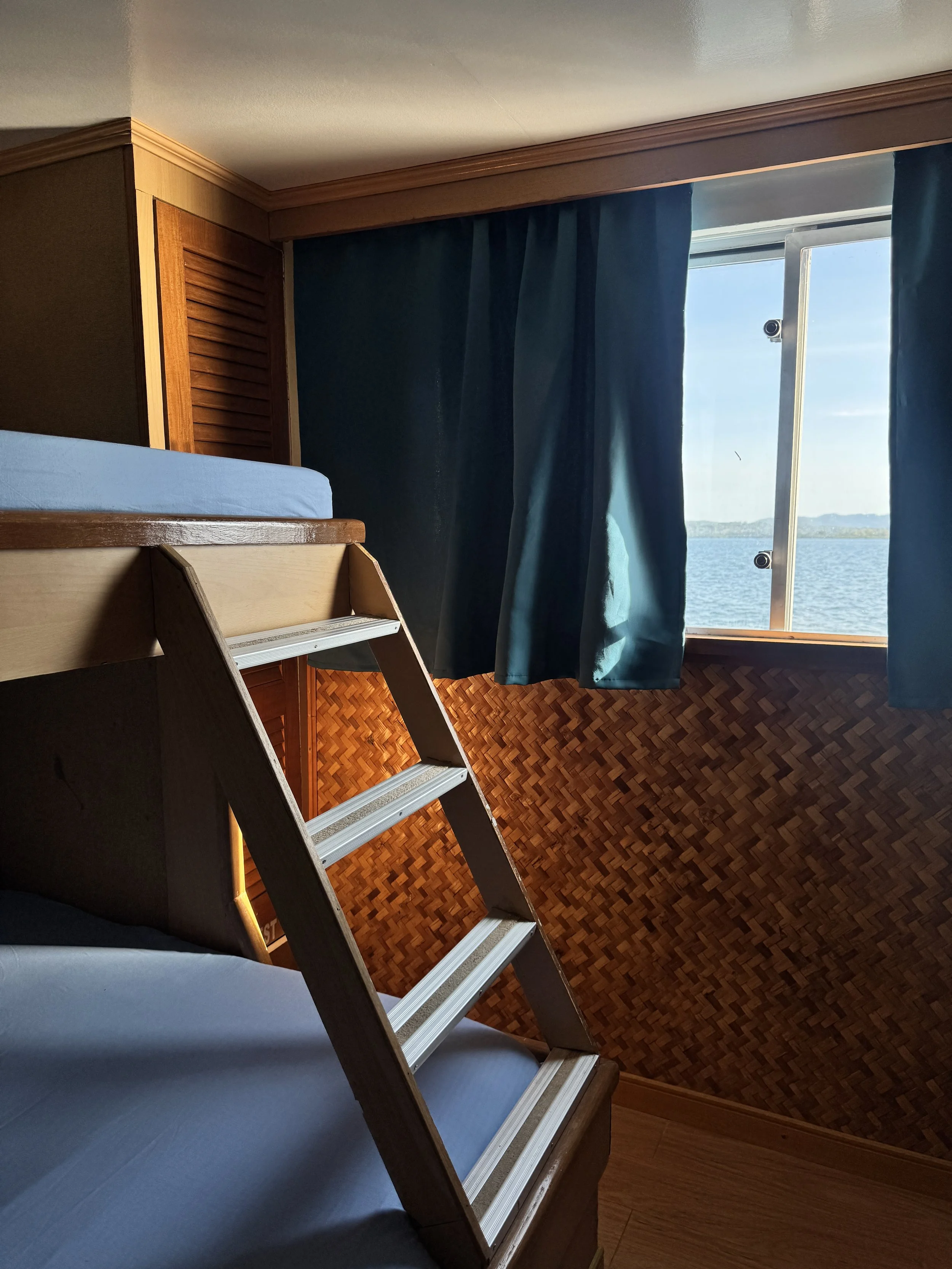
There were very few in-depth reviews of this boat beyond what you find on Liveaboard.com, and that always makes me a little suspicious, as people tend to write glowing summaries without much detail. So here is my honest download:
The cabins are way more spacious than I expected. I was sharing with another girl and we had an ensuite bathroom, big beds, a little desk and enough storage for our gear. Everything was in a classic Filipino old-school wooden style which gave it real charm.
The dining area had the same warmth, and there were always snacks available. From fruit and healthy bits to cookies and crisps for when you need them. On food generally: it was tasty, generous and always covered meat, fish and vegetarian options which I appreciated. My only note is that it leaned heavily on the fried side; delicious, but a lot across several days in a row. That said, they also served ice cream, so all is forgiven.
The one thing I'd flag for anyone booking: try to get direct contact with the boat ahead of time rather than going through Liveaboard.com exclusively. Just to confirm your gear requirements and make sure everything is sorted before you board. Would have saved me a little back and forth on my wetsuit situation.
The rhythm of liveaboard life
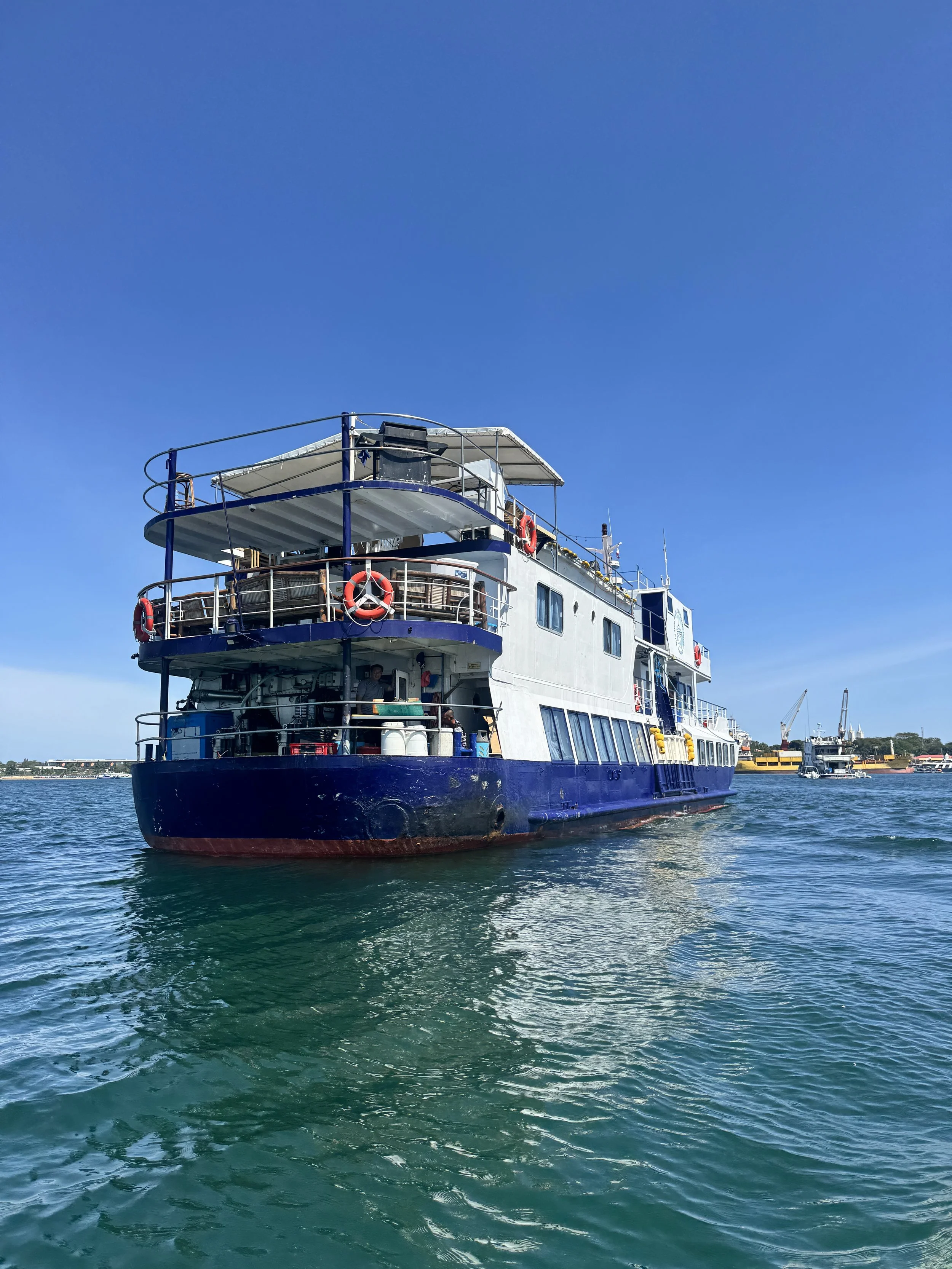
Tubbataha is not like other liveaboards where you hop on and off islands. You stay on the boat for 6 days and 5 nights, in the middle of the ocean, and you don't get off. Four dives a day means you sleep deeply — until the boat moves overnight to reach the next dive site, which will wake you at least once. Factor that in and embrace it; the sound of the engine moving you somewhere new in the dark is oddly exciting.
Dive, eat, rest, repeat. It sounds simple because it is, and it is glorious.
On our last evening we had a BBQ on the boat followed by karaoke — a non-negotiable in Filipino culture and honestly the most endearing way to end a trip. The average age on board skewed older, but everyone was so knowledgeable and generous with their experience that I found myself wanting to talk more and more. We were lucky enough to have a couple of the boat's owners on board, including my dive buddy Kathy — caring, empathetic, and endlessly patient with the number of times we surfaced early because I was running low on air while being completely distracted by everything around us, and a little nervous of everything happening too (which eased over time, dive by dive).
It is impressive how quickly a week disappears when you are doing nothing other than exactly what you love.
I would do it all over again, and so should you.
TCB xxx